.svg)


.svg)
.svg)

.svg)
.svg)
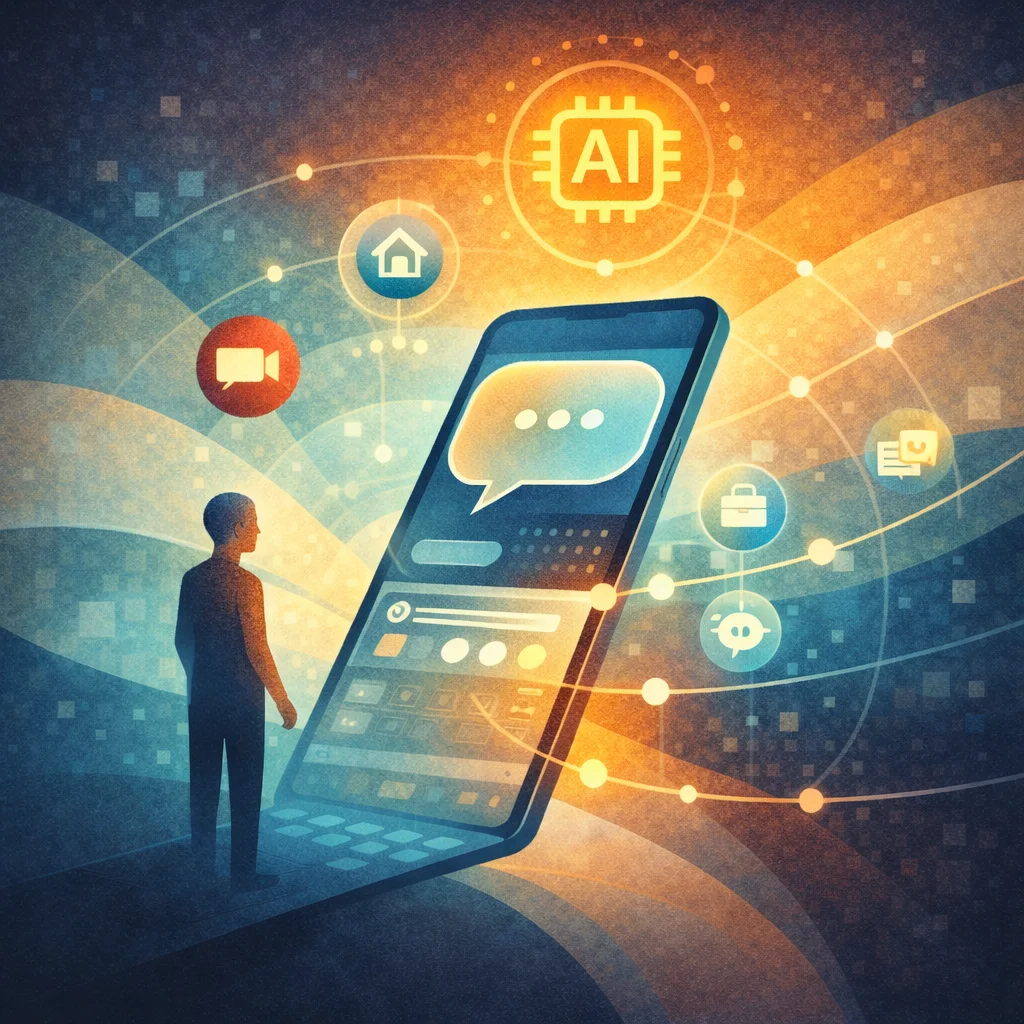
Samsung’s talks with Perplexity triggered a realization: we may be entering mobile computing's third act. As iOS and Android once dethroned Nokia and BlackBerry, tomorrow's gatekeepers could be AI agents like OpenAI, Perplexity, or yet-unknown startups.
For the past decade, mobile OS owners have controlled distribution. App stores, pre-installs, and UI layers ensured they remained the intermediaries between users and services. China was an exception, birthing super-apps like WeChat. But elsewhere, Apple and Google kept the upper hand. That dominance is now under threat.
An AI assistant that handles tasks via conversation, without requiring a dozen apps, is emerging as a new interface layer. It generates UIs and API calls on demand, becoming a dynamic super-app. In this model, users talk, and the agent acts. For consumers, it's seamless. For OS owners, it's a problem. If users spend time in an AI front-end built by someone else, the OS risks becoming a commodity layer.

.svg)
.svg)
.svg)
.svg)
.svg)
.svg)